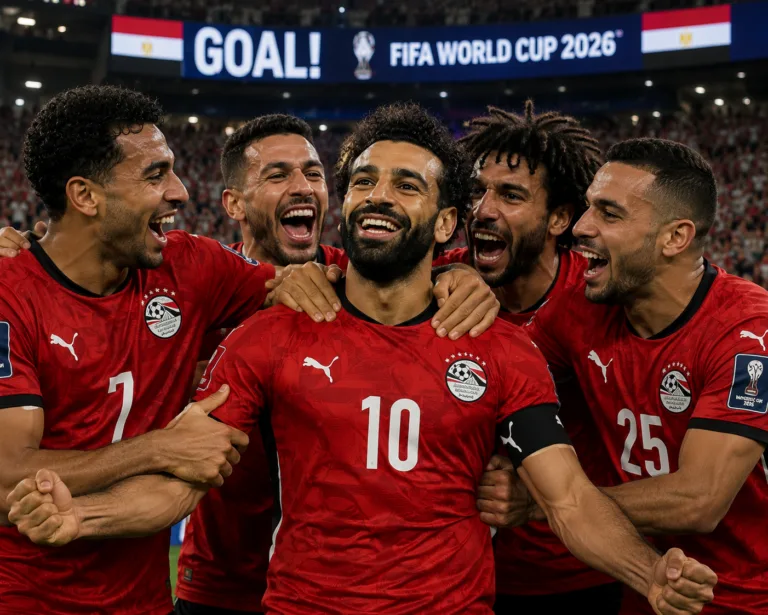
The 2026 FIFA World Cup introduces a historic 48-team format across the USA, Canada, and Mexico. Discover how this expansion will reshape global football, competition, and fan culture.
A World Cup Like We’ve Never Seen Before
The 2026 FIFA World Cup isn’t just another tournament—it’s a complete reinvention of international football’s biggest stage. For the first time in history, 48 teams will compete instead of 32, turning the competition into a truly global spectacle.
While fans are excited about more matches and more nations, there’s a deeper story unfolding: this expansion could permanently change how football is played, followed, and even developed around the world.
Why the 48-Team Format Matters
At first glance, adding more teams sounds simple—more games, more goals, more excitement. But the reality is far more complex.
1. More Nations, More Representation
Smaller footballing nations that previously struggled to qualify now have a real shot at the World Cup. This means:
- New countries making historic debuts
- Greater continental diversity
- A more inclusive global tournament
Expect passionate underdog stories that rival past surprises like Croatia in 2018 or Morocco in 2022.
2. A Completely New Tournament Structure
The expanded format introduces 12 groups of four teams. The top two teams from each group—and the best third-placed teams—advance to a larger knockout stage.
This creates:
- More high-stakes matches
- Fewer “dead rubber” games
- Increased unpredictability
Every point will matter more than ever.
3. Player Fatigue and Squad Depth Will Be Critical
With more matches packed into a tight schedule, teams will need deeper squads. Coaches won’t just rely on star players—they’ll need:
- Tactical rotation strategies
- Bench strength across all positions
- Smarter game management
This could level the playing field between traditional powerhouses and emerging teams.
North America: The Perfect Stage
Hosting across the United States, Canada, and Mexico, the 2026 World Cup will span an entire continent.
What makes this unique?
- Massive, modern stadiums
- Diverse fan cultures in each host country
- Seamless travel infrastructure
From packed arenas in major cities to vibrant fan zones, the tournament promises an unmatched atmosphere.
The Rise of the “Second-Tier Powerhouses”
One of the most exciting outcomes of expansion is the rise of teams just outside the traditional elite.
Countries that consistently qualify but rarely go deep—think Switzerland, Japan, or Senegal—now have a greater chance to:
- Build momentum in group stages
- Face varied opponents
- Make deeper knockout runs
This shift could redefine what we consider a “football powerhouse.”
Will Expansion Dilute Quality?
Critics argue that adding more teams could reduce overall quality. But history suggests otherwise.
When the tournament expanded from 24 to 32 teams in 1998, similar concerns were raised. Instead, we saw:
- More competitive matches
- Unexpected breakout teams
- A richer global football narrative
The same is likely to happen again—only on a larger scale.
A New Era for Fans

For fans, the 2026 World Cup will be an entirely different experience:
- More matches to watch (104 total)
- Games across multiple time zones
- Greater accessibility for international supporters
Whether you’re watching from home or traveling between host cities, the tournament will feel more immersive than ever.
Final Thoughts: Football’s Global Future Starts Here
The 2026 World Cup isn’t just bigger—it’s bolder. It represents a shift toward a more inclusive, unpredictable, and globally connected version of football.
This isn’t just about crowning a champion. It’s about redefining the game itself.
And when the first whistle blows, we won’t just be watching history—we’ll be watching the future of football unfold.