The headline is that none of these results is a disaster, but all three teams have made life harder for themselves than expected.

Netherlands: still well placed, but Sweden now holds the advantage
The Netherlands opened with a 2–2 draw against Japan, while Sweden beat Tunisia 5–1. As a result, Sweden sits on top of Group F with three points, while the Dutch and Japan are tied on one point. (netherlands-2026.com)
The draw itself was not shocking—Japan are one of the stronger second-seeded teams in the tournament—but conceding twice means the Dutch have already surrendered control of the group.
Key implications:
- The upcoming Netherlands–Sweden match is now enormous.
- A Dutch victory would immediately put them back in contention to win the group.
- A defeat would leave them needing a result against Tunisia and possibly relying on goal difference.
The good news is that Tunisia lost heavily, so the Dutch still have a favourable path. I’d still make them favourites to qualify, but their margin for error has shrunk considerably.
Chance of advancing: Still high (roughly 75–85% range).
Chance of winning the group: Meaningfully lower than before the tournament began.
Belgium: the most concerning of the three
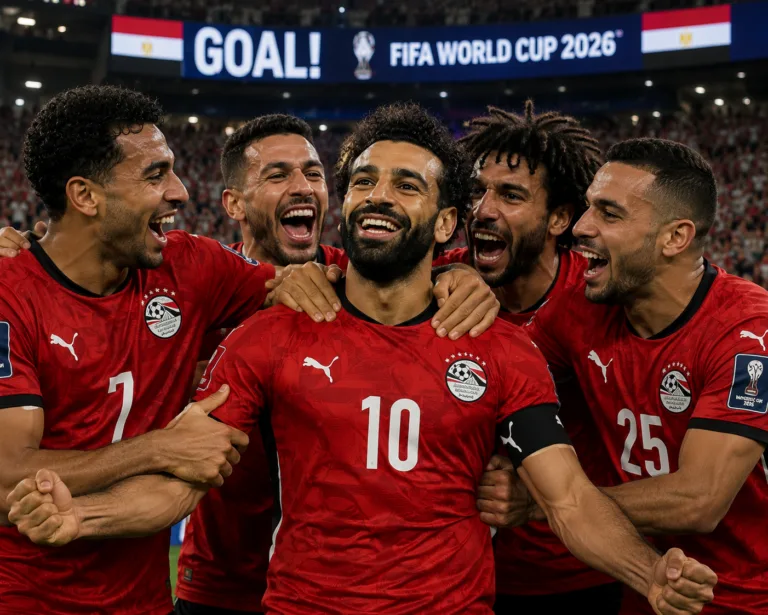
Belgium were held 1–1 by Egypt and needed an own goal after Romelu Lukaku’s introduction to rescue a point. Egypt arguably looked the more dangerous side for long stretches. (The Guardian)
Group G is now completely level after Iran and New Zealand also drew 2–2. Everyone has one point after one match.
That sounds harmless, but it means Belgium have lost the opportunity to create early separation in a group where they were expected to finish first. (The Guardian)
Key implications:
- Belgium now face Iran in their second match.
- Win that game and they immediately regain control.
- Draw again and qualification becomes much more complicated.
- Lose and they could enter the final match against New Zealand under major pressure.
Unlike Spain and the Netherlands, Belgium did not simply fail to convert chances; they were fortunate to avoid defeat. That makes this draw the most worrying performance-wise. (https://belgium-2026.com/)
Chance of advancing: Still good, but noticeably reduced.
Chance of winning the group: No longer clear favourites.
Spain: frustrating result, but probably the least damaging
Spain’s 0–0 draw with World Cup debutants Cape Verde was undoubtedly one of the surprises of the opening round. Spain dominated possession, created 27 attempts and were repeatedly denied by goalkeeper Vozinha. (Reuters)
However, the broader context matters.
The other Group H match also ended in a draw: Saudi Arabia 1–1 Uruguay. So after one round, every team in the group has exactly one point. No rival gained any ground on Spain. (UEFA.com)
Key implications:
- Spain remain fully in control of their destiny.
- Victories over Saudi Arabia and Uruguay would almost certainly send them through.
- Their underlying performance was much stronger than the scoreline suggests.
In fact, Spain may be the team least affected by its draw because nobody else in the group took advantage. The concern is more about finishing and breaking down defensive opponents than about qualification. (https://spain-2026.com/)
Chance of advancing: Still very high.
Chance of winning the group: Slightly reduced, but probably still the favourite.
Ranking the impact of the draws
1. Belgium (most damaging) (https://belgium-2026.com/)
They were outplayed for significant periods and missed a chance to establish themselves atop a balanced group. (The Guardian)
2. Netherlands (https://netherlands-2026.com)
A respectable draw against a strong Japan side, but Sweden’s emphatic win means the Dutch have surrendered the initiative in Group F.
3. Spain (least damaging) (https://spain-2026.com/)
A disappointing result, but because Uruguay and Saudi Arabia also drew, Spain effectively lost no ground in the standings. (Reuters)
If all three teams win their second group matches, the opening-day draws will quickly be forgotten. If any of them fail to win again, however, the pressure heading into the final round will rise sharply—especially for Belgium.