The 2026 FIFA World Cup Opening Ceremony at Azteca Stadium

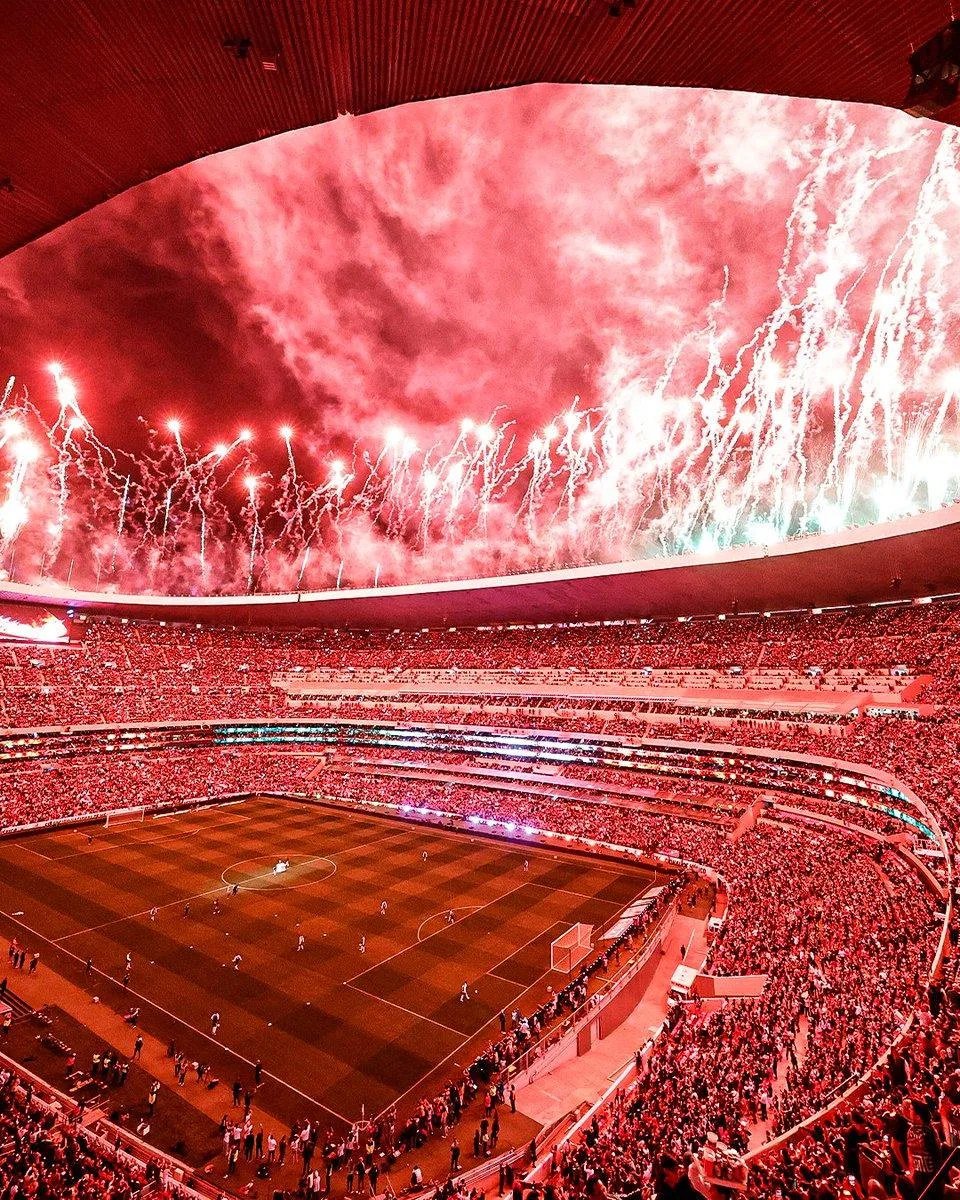
The opening ceremony of the 2026 FIFA World Cup at Estadio Azteca (officially referred to by FIFA as Mexico City Stadium during the tournament) was designed as much for the fans as for the football itself. Before Mexico’s opening match against South Africa, the stadium transformed into a massive cultural showcase celebrating Mexican heritage, music, and the global spirit of the World Cup. (FIFA)
Entertainment: Music, Culture, and Spectacle
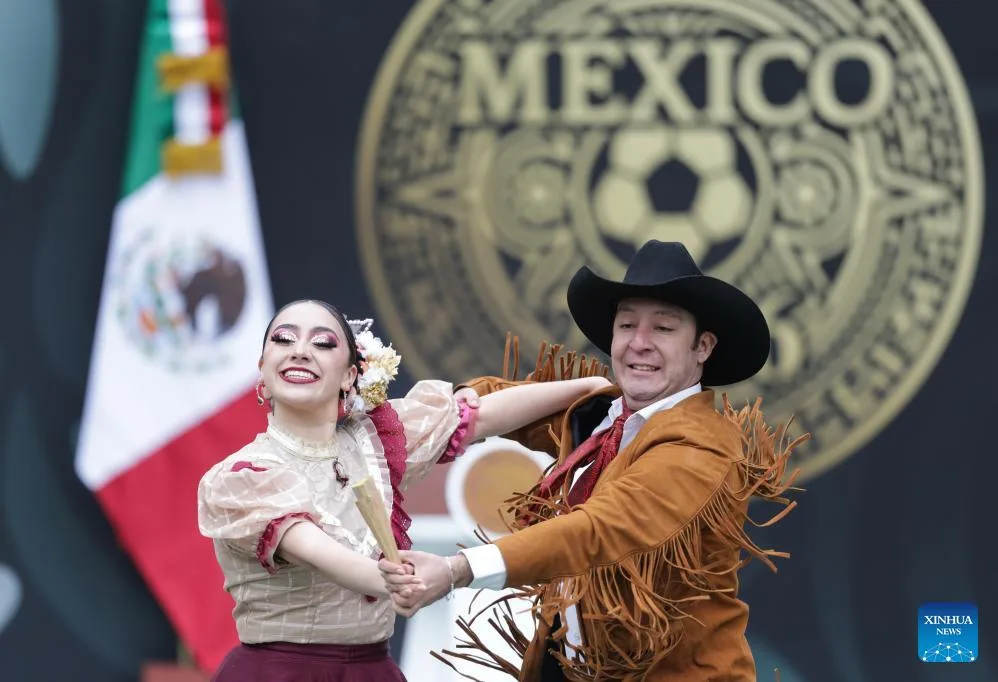
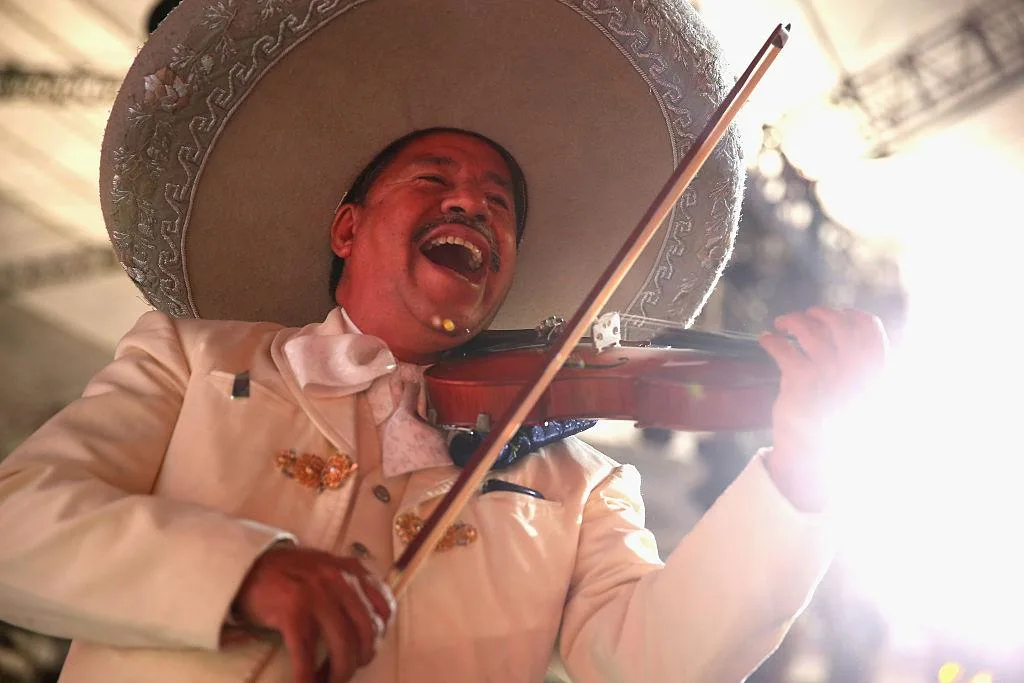
The ceremony blended traditional Mexican artistry with modern stadium entertainment. FIFA and creative partner Balich Wonder Studio centered the production around the imagery of papel picado—the colorful cut-paper art associated with Mexican celebrations. The result was a visually rich show featuring dance, cultural performances, and large-scale choreography. (FIFA)
The musical lineup was among the strongest ever assembled for a World Cup opening event, featuring:
- Shakira
- Burna Boy
- J Balvin
- Tyla
- Alejandro Fernández
- Belinda
- Danny Ocean
- Lila Downs
- Los Ángeles Azules
- Maná
A highlight was the world-premiere performance of “Dai Dai,” the official World Cup song, performed by Shakira and Burna Boy before a global audience of millions. (Inside FIFA)
The ceremony concluded with a parade of participating nations’ flags and a dramatic fireworks display that signaled the official start of the tournament. (FIFA)
Fan Enjoyment Inside the Stadium
What made the event particularly successful was the way fans were integrated into the experience.
FIFA encouraged supporters to arrive hours before kickoff, opening the gates early and providing fan activations, entertainment zones, rewards, and interactive experiences around the stadium. The opening ceremony was not simply something spectators watched—it was designed as a participatory celebration. (Inside FIFA)
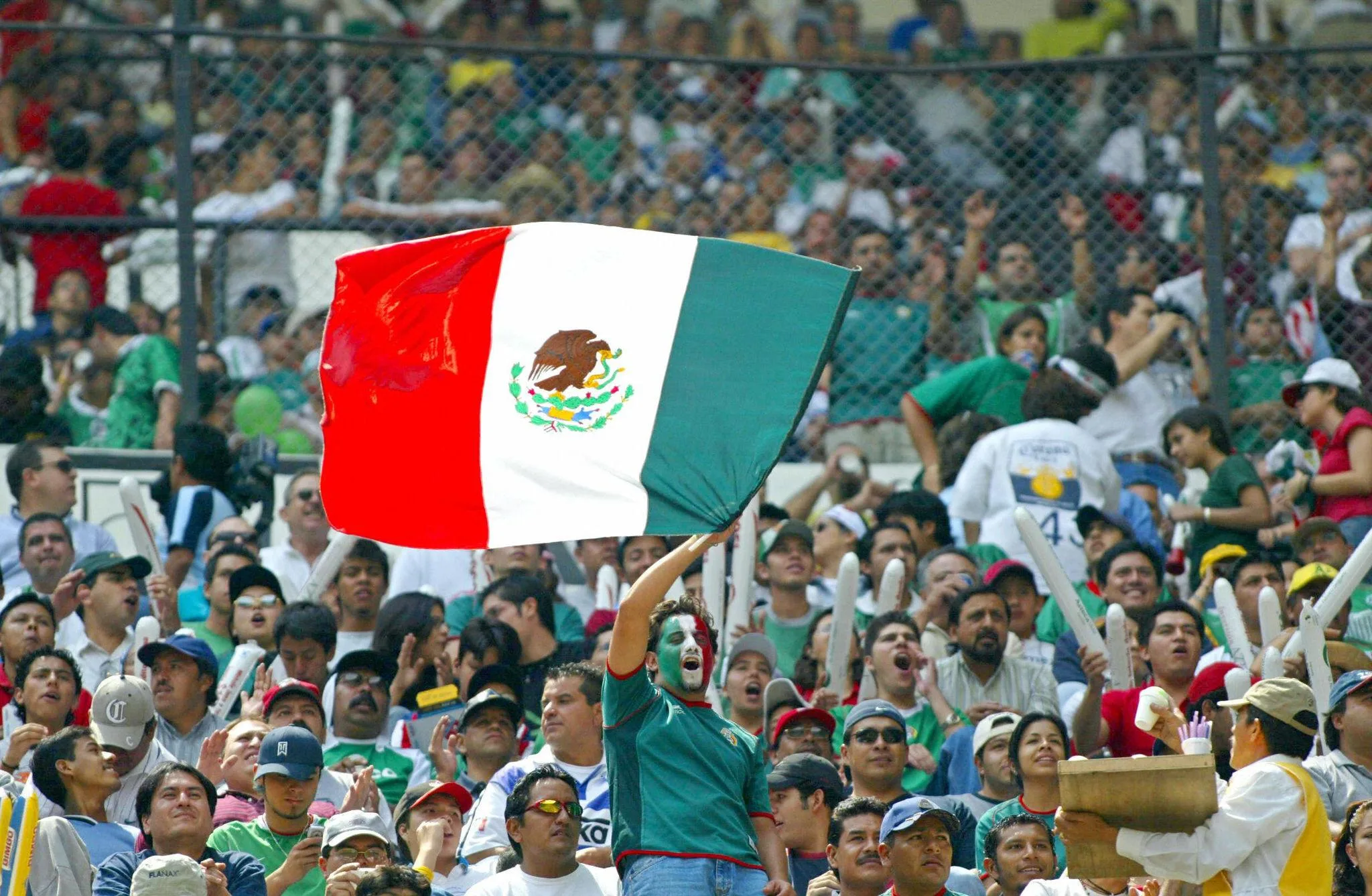
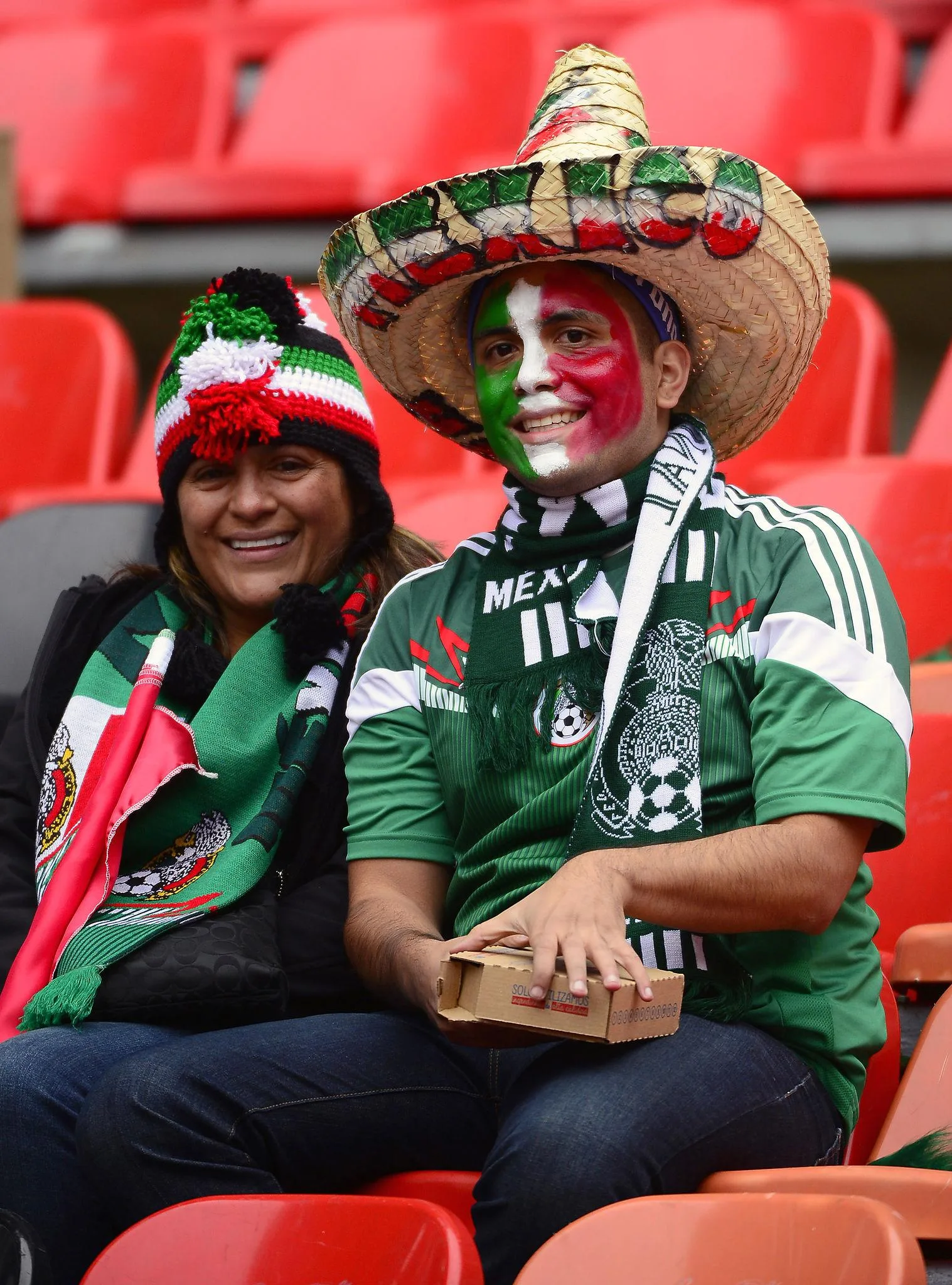
Inside the stadium, more than 80,000 supporters created an atmosphere that many observers described as electric. The combination of live music, cultural pride, and anticipation for Mexico’s first match produced the kind of emotional environment that only a World Cup can generate.
Fan reactions shared online emphasized:
- The enormous crowd response to Maná and Shakira.
- The emotional impact of hearing tens of thousands sing the Mexican national anthem.
- The excitement generated by the fireworks and choreographed performances.
- A sense that Azteca felt like a “fortress” once the match began.
Why Azteca Was the Perfect Venue
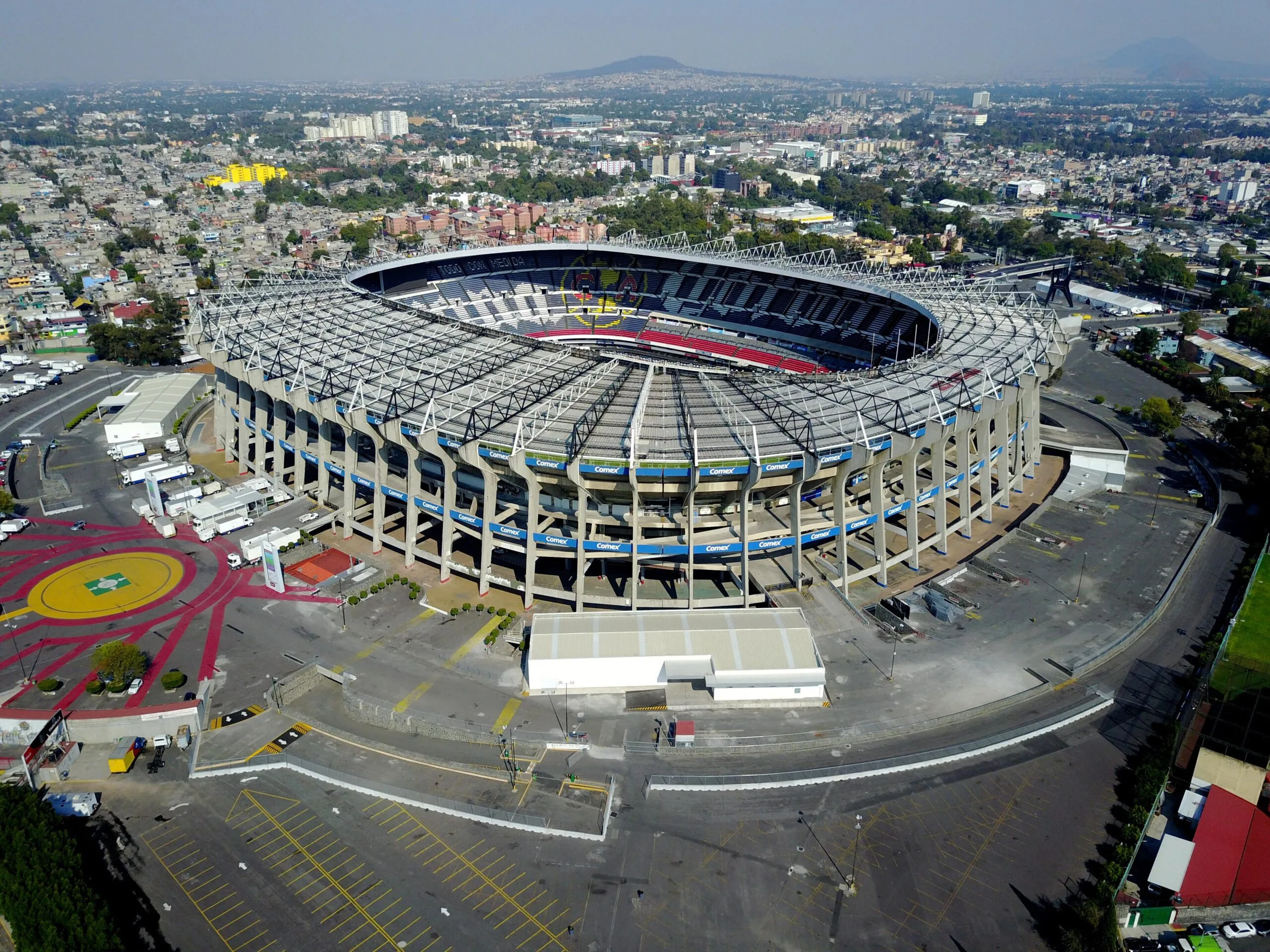
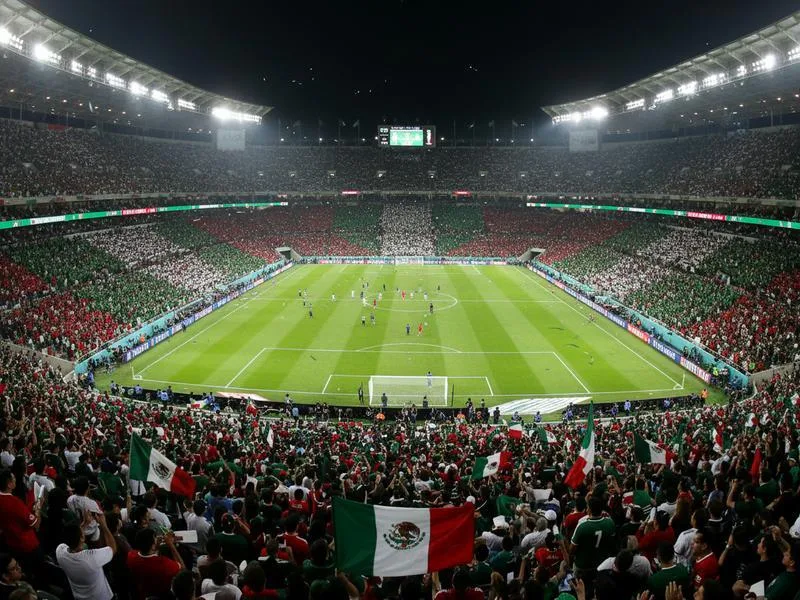
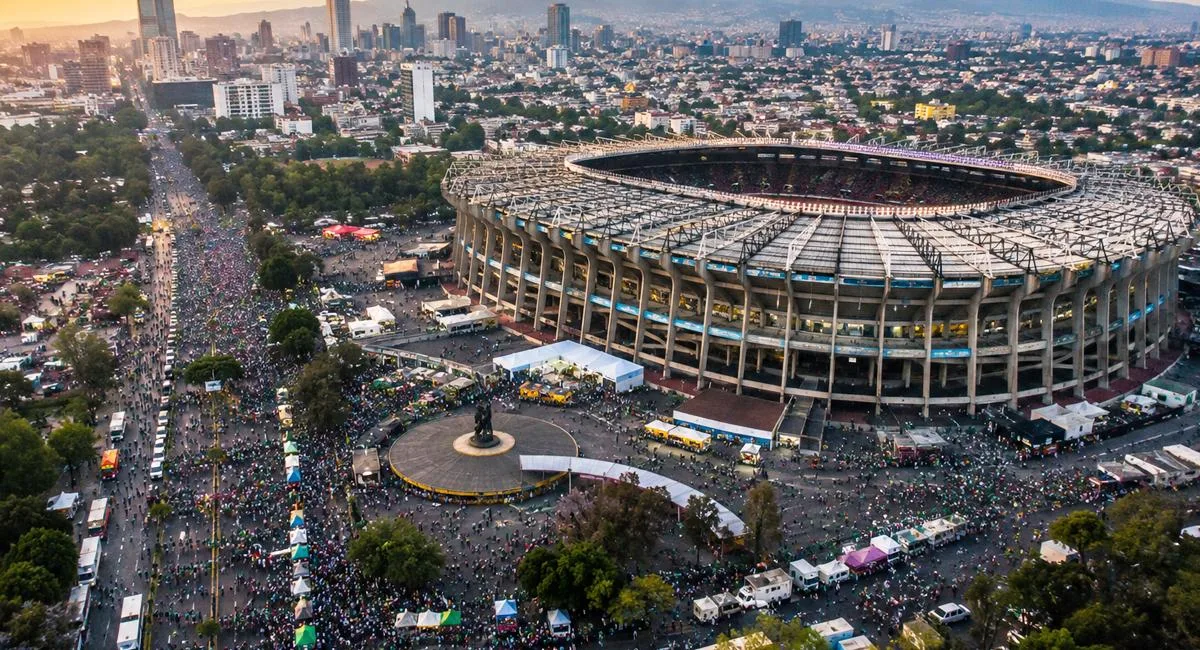
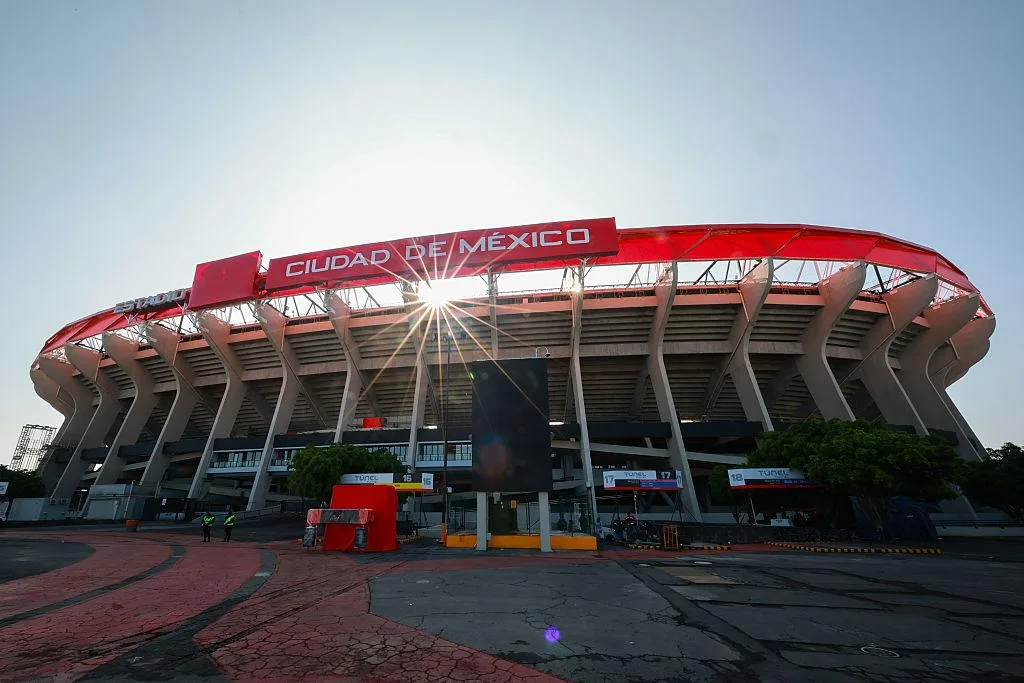
The choice of Azteca added historical significance. The stadium became the first venue ever to host World Cup opening matches across three different tournaments—1970, 1986, and 2026. That history gave the ceremony an added sense of occasion and connected modern fans with some of football’s most iconic moments.
Overall Assessment
The Mexico City opening ceremony succeeded because it balanced three objectives:
- Showcasing Mexican culture through traditional art, folklore, and national performers.
- Delivering world-class entertainment through global stars such as Shakira, Burna Boy, J Balvin, and Tyla.
- Creating a memorable fan experience through participation, atmosphere, and the emotional buildup to the opening match.
For many supporters in the stadium, the ceremony was not merely a pre-game show—it was the moment the world’s largest sporting event truly came alive. The blend of music, culture, fireworks, and the roar of Azteca’s crowd created a fitting opening chapter for the biggest World Cup in history.