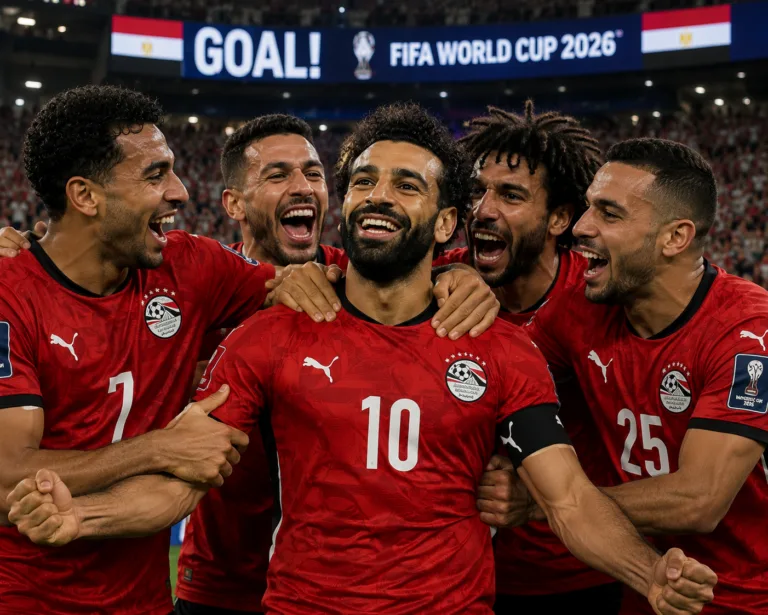
The group stage of the 2026 FIFA World Cup has been defined not only by the football but by the supporters. Across the United States, Mexico and Canada, the tournament has felt less like a collection of matches and more like a travelling festival, with different fan cultures giving each host city its own character. (Reuters)
Dutch fans: the travelling carnival
Among European supporters, the Dutch have once again earned a reputation as some of the tournament’s great entertainers. Their trademark sea of orange, organised marches to stadiums, constant singing and willingness to celebrate with rival supporters have created a festival atmosphere wherever they have played.
Ahead of the Netherlands–Sweden match in Houston, around 15,000 Dutch supporters took part in fan events and marches, turning large parts of the city orange. Reports from Houston described Dutch and Swedish fans dancing together, sharing drinks and celebrating each other’s traditions rather than treating the occasion as a hostile rivalry. The atmosphere was loud, colourful and good-natured, exactly the image many people associate with Dutch support. (Reuters)
What stands out about the Dutch support is that it rarely feels aggressive. Their fan culture is built around participation: costumes, music, humour and communal celebration. Even neutrals are often drawn into the festivities.

Scottish fans: the Tartan Army’s global reputation reinforced
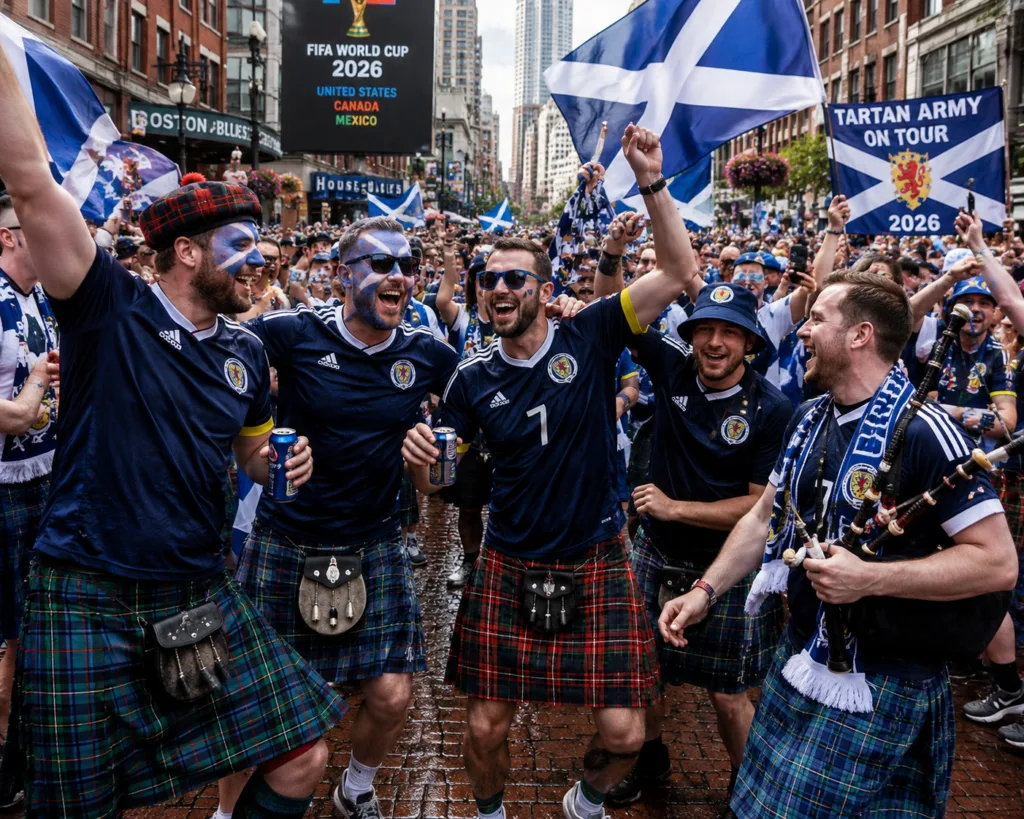
If any supporters have become the story of the group stage, it may be Scotland’s travelling fans. Scotland’s return to the World Cup after a long absence has unleashed the famous “Tartan Army” on North America, and they have transformed Boston into one of the tournament’s great fan cities. (AP News)
Thousands of Scottish supporters have filled bars, fan zones and public spaces. Local businesses reportedly struggled to keep up with demand as supporters arrived in huge numbers. Boston’s mayor and local authorities embraced the influx, while reports described the city as “party central” during Scotland’s matches. (AP News)
The Scottish fan experience has also been notable for its warmth and humour. Stories have emerged of supporters travelling across the Atlantic for weddings timed around Scotland’s matches, while fan zones have been filled with kilts, bagpipes, Saltire flags and self-deprecating songs. (People.com)
Even when Scotland lost to Morocco, the supporters remained a positive presence. Rather than allowing results to dictate the mood, they continued to celebrate the occasion of being back on the world’s biggest stage. (The Scottish Sun)
English fans: optimism and energy
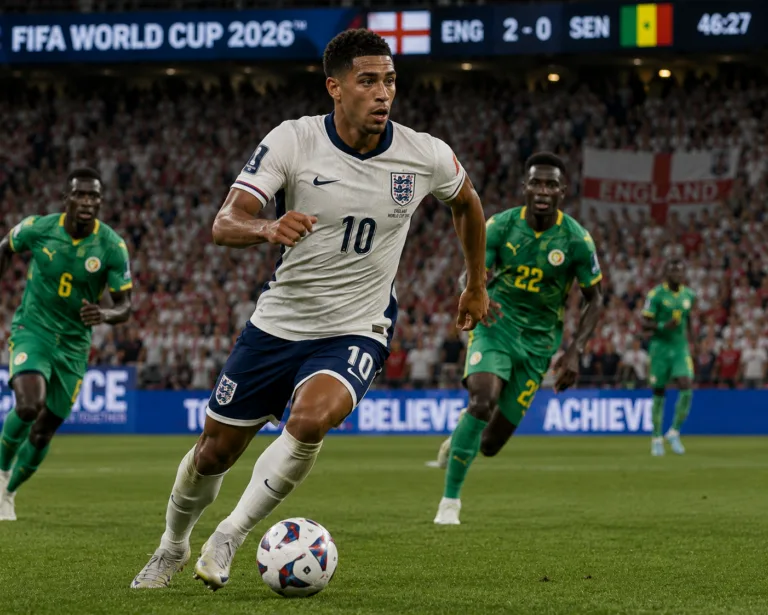
England supporters arrived with the expectations that always accompany one of football’s major nations, and the atmosphere around the team has been noticeably upbeat after their opening victory over Croatia. England’s 4–2 win generated scenes of celebration among supporters, with Harry Kane specifically highlighting the crowd’s singing of “Wonderwall” as one of his favourite moments in an England shirt. (The Guardian)
English support at this tournament has generally felt more relaxed than at some previous World Cups. The enormous distances involved in North America mean that travelling supporters have mixed more with local communities and fans from other nations. Rather than being concentrated in one location, England followers have spread across multiple host cities, creating large travelling contingents while still interacting with broader World Cup crowds. (Reuters)
The result has been a supporter culture centred on singing, optimism and anticipation rather than tension. As England’s group-stage campaign progresses, that positive mood has only grown.
The host-nation fans: creating the tournament’s welcoming atmosphere
Perhaps the biggest surprise of the tournament has been the role played by supporters from the host nations -the United States, Mexico and Canada.
Mexico’s supporters delivered the expected passion from the opening match, helping create a genuine World Cup atmosphere from day one. Canadian fans have embraced the opportunity to host the world’s biggest sporting event, particularly after strong performances from their national team. (Reuters)
In the United States, many visiting fans arrived with concerns about cost, travel and whether soccer would truly capture the public imagination. Instead, numerous reports have highlighted the friendliness of local residents, volunteers and host communities. Visitors have spoken positively about warm welcomes in cities across the country, from major metropolitan areas to smaller host locations. (Reuters)
What has made the host-nation contribution special is not just support for their own teams. American, Canadian and Mexican fans have often adopted underdog teams, attended neutral matches and participated enthusiastically in fan festivals. That has helped create an inclusive atmosphere in which supporters from dozens of nations feel welcome. (Reuters)
The overall group-stage experience
The defining characteristic of the 2026 group stage has been coexistence. Dutch supporters marching in orange alongside Swedish fans, Scottish supporters turning Boston into a giant football party, English fans singing after victories, and host-nation fans welcoming visitors have all contributed to an atmosphere that feels celebratory rather than confrontational. (Reuters)
While the football will determine who advances, the early weeks of the tournament have already shown why World Cups are remembered for more than results. The Dutch have provided colour, the Scots have provided humour and camaraderie, the English have brought their songs and optimism, and the host nations have provided the welcoming stage on which the whole spectacle has unfolded. (Reuters)