Stadium Innovation, Investment & the Fan Experience
The 2026 FIFA World Cup is unique because it is the largest World Cup ever (48 teams, 104 matches) and is being hosted across 16 stadiums in the United States, Canada, and Mexico. Unlike recent World Cups in Qatar, Russia, South Africa, or Brazil, the 2026 tournament relies almost entirely on existing world-class venues rather than massive new stadium construction.

How Many New Stadiums Were Built Specifically for FIFA 2026?
The answer is surprisingly simple:
Zero.
No stadium was built specifically for the 2026 FIFA World Cup. All 16 host venues already existed before the tournament was awarded. Instead, organizers invested heavily in renovations, technology upgrades, transportation improvements, security enhancements, and FIFA-compliant pitch modifications.
This contrasts sharply with the 2022 World Cup in Qatar, where most venues were newly constructed.
The Standout Stadiums
1. SoFi Stadium (Los Angeles)
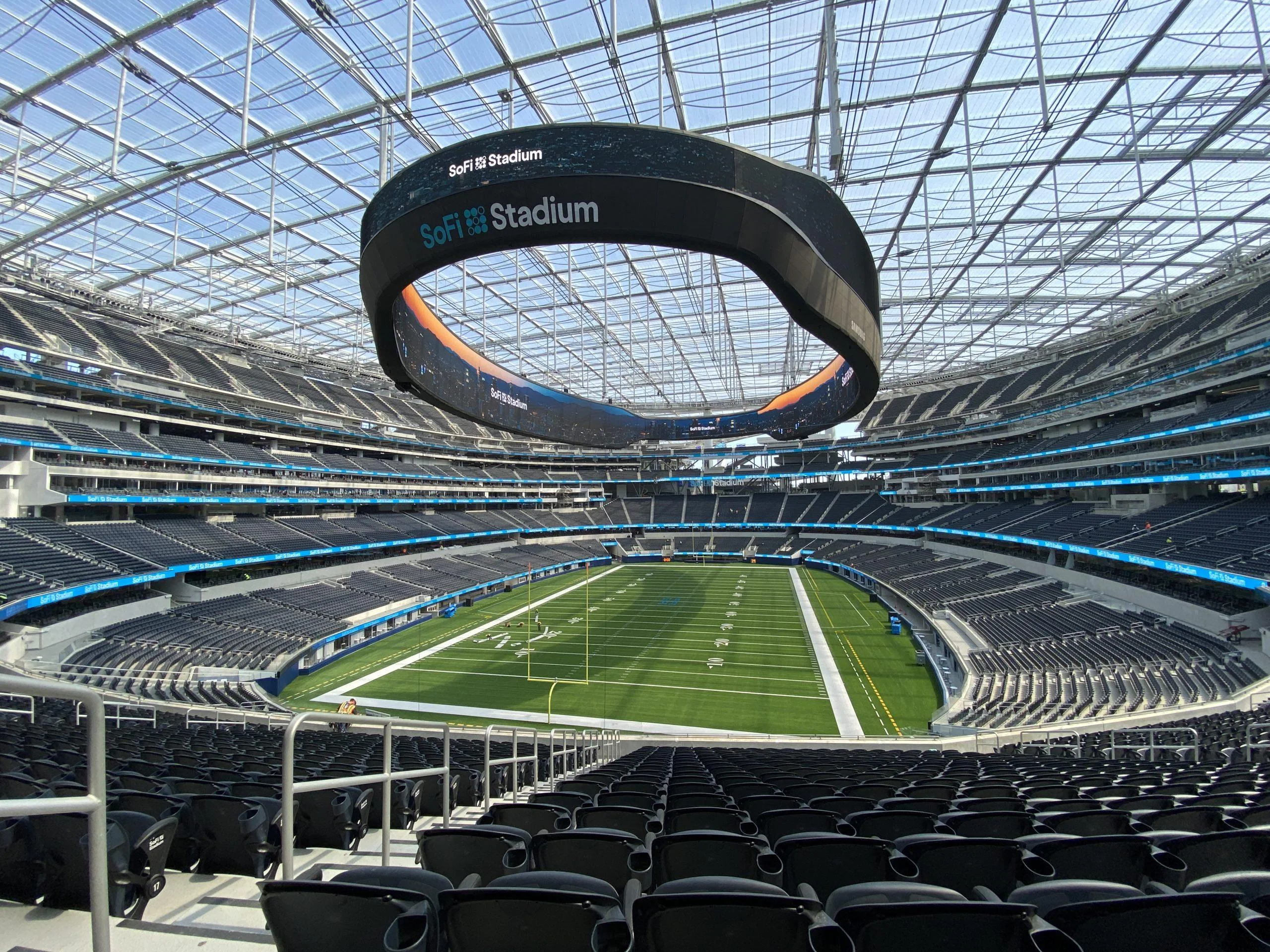
Why it stands out
Opened in 2020, SoFi is the newest venue in the tournament and arguably the most technologically advanced stadium in North America. FIFA itself describes it as the newest World Cup venue.
Player comfort and safety
- Advanced climate-controlled design
- Massive covered roof protecting players from direct sun
- High-end locker room facilities
- Extensive medical and recovery spaces
Fan experience
- The enormous 360-degree “Infinity Screen”
- Premium hospitality zones
- Excellent sightlines from almost every seat
- State-of-the-art connectivity and mobile services
Investment
Construction cost exceeded US$5 billion, making it one of the most expensive sports venues ever built. Although not built for the World Cup, modifications were required to meet FIFA field-width requirements.
Public transport
Historically one of the weaker-access venues, but Los Angeles expanded shuttle networks and rail connections ahead of major events including the World Cup and Olympics.
2. Mercedes-Benz Stadium
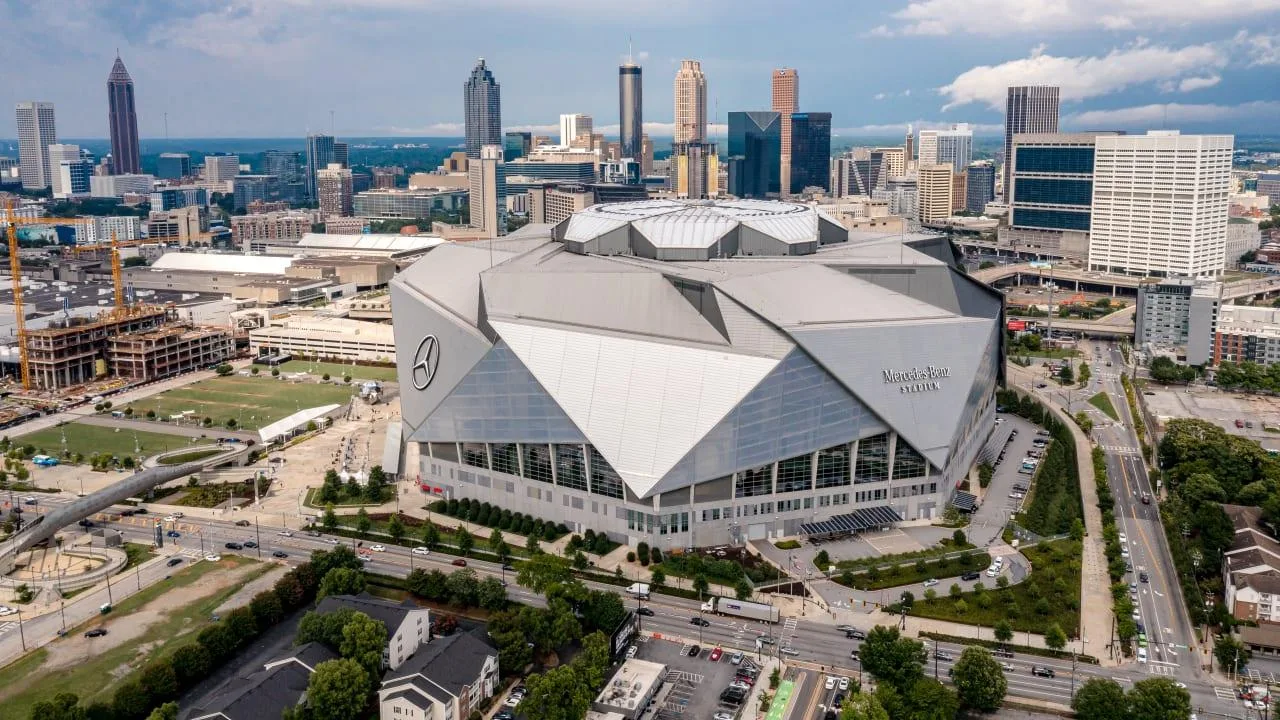
Why it stands out
Many stadium experts consider this the best overall spectator venue in the United States.
Innovative features
- Retractable “camera-lens” roof
- Massive circular Halo videoboard
- Highly efficient crowd movement design
- LEED Platinum sustainability certification
Player benefits
- Excellent pitch environment
- Weather-controlled conditions
- Reduced heat stress compared with open-air stadiums
Public transport
Perhaps the best transit-connected U.S. venue:
- Direct connection to Atlanta’s MARTA rail system
- Walkable from downtown Atlanta
- Minimal need for private vehicles
This is a major advantage compared with many suburban NFL stadiums.
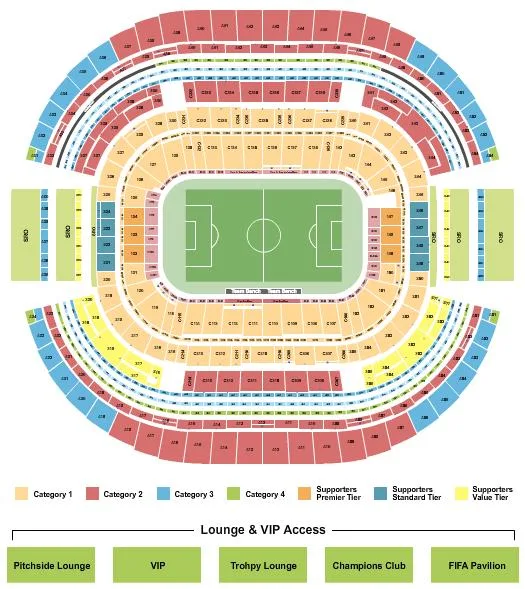
3. AT&T Stadium
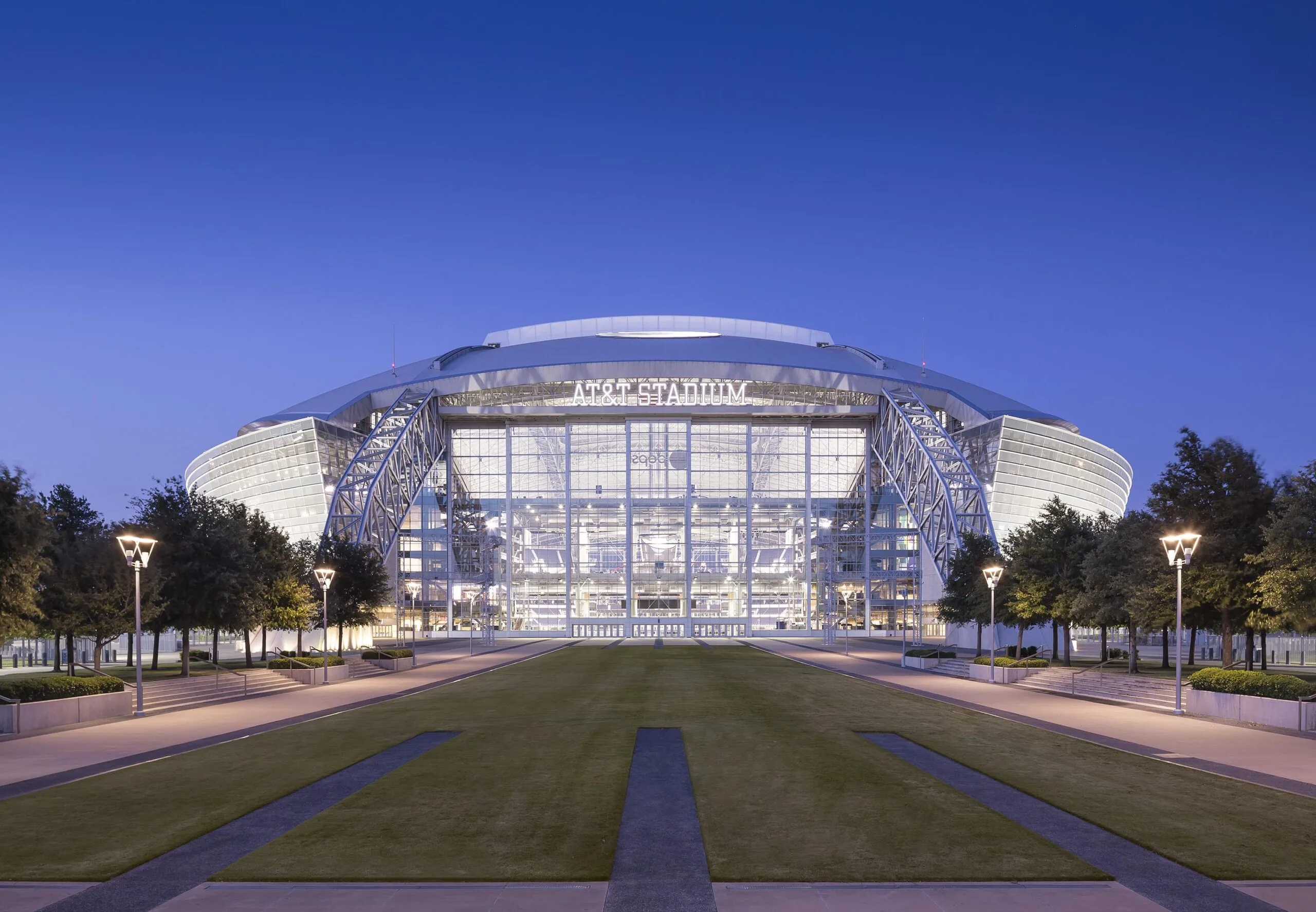
Why it stands out
The largest venue in the tournament, capable of accommodating roughly 90,000 spectators for major events.
World Cup upgrades
Reports indicate renovations approaching US$295 million in preparation for FIFA requirements.
Player-focused improvements
- Expanded locker facilities
- FIFA-compliant field dimensions
- Enhanced recovery and medical spaces
Fan experience
- Giant center-hung video display
- Extensive hospitality offerings
- Exceptional capacity for major knockout matches
Public transport
This is one of the weaker locations:
- Arlington lacks a major rail network
- Visitors typically rely on shuttles, rideshare, or private vehicles
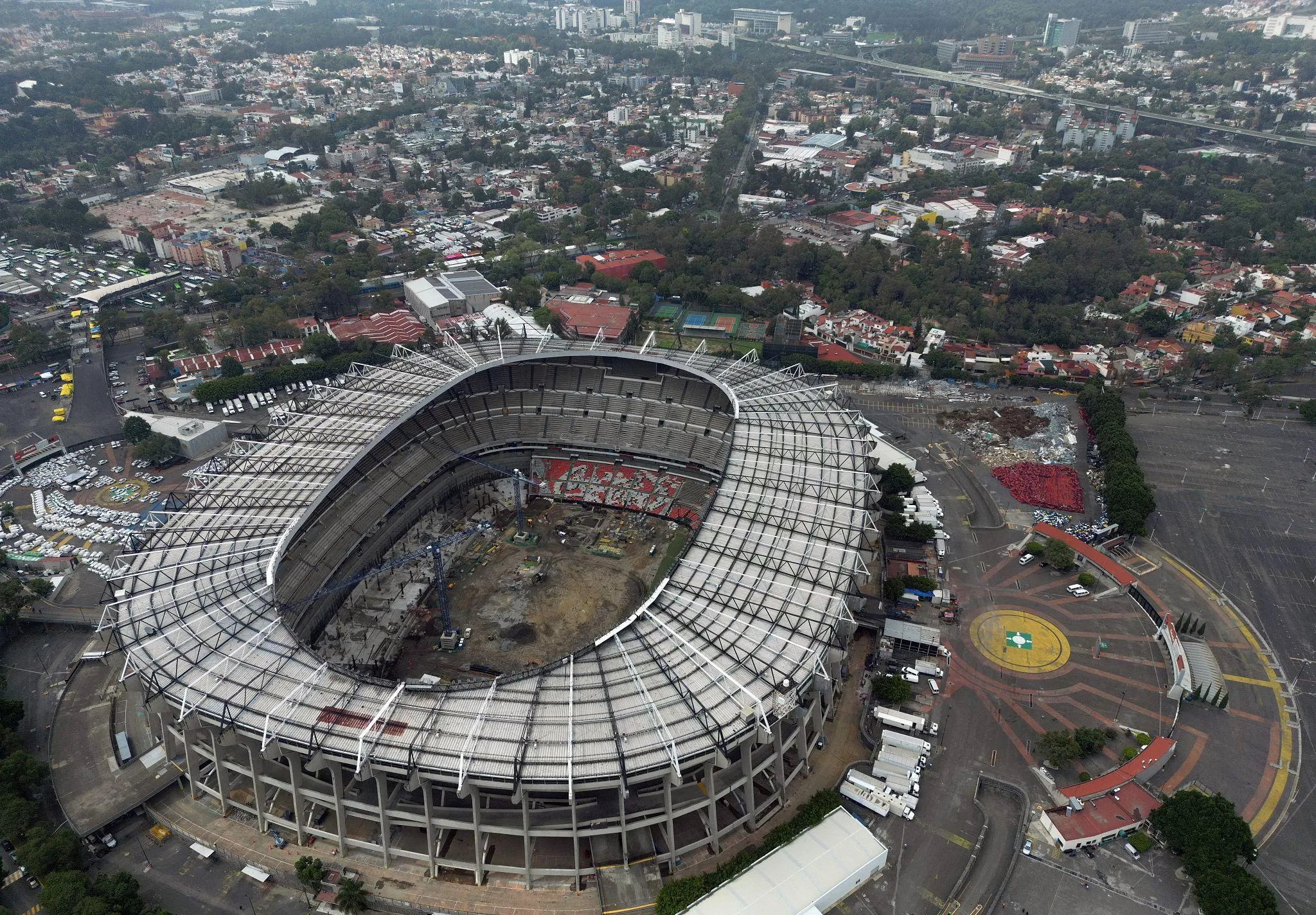
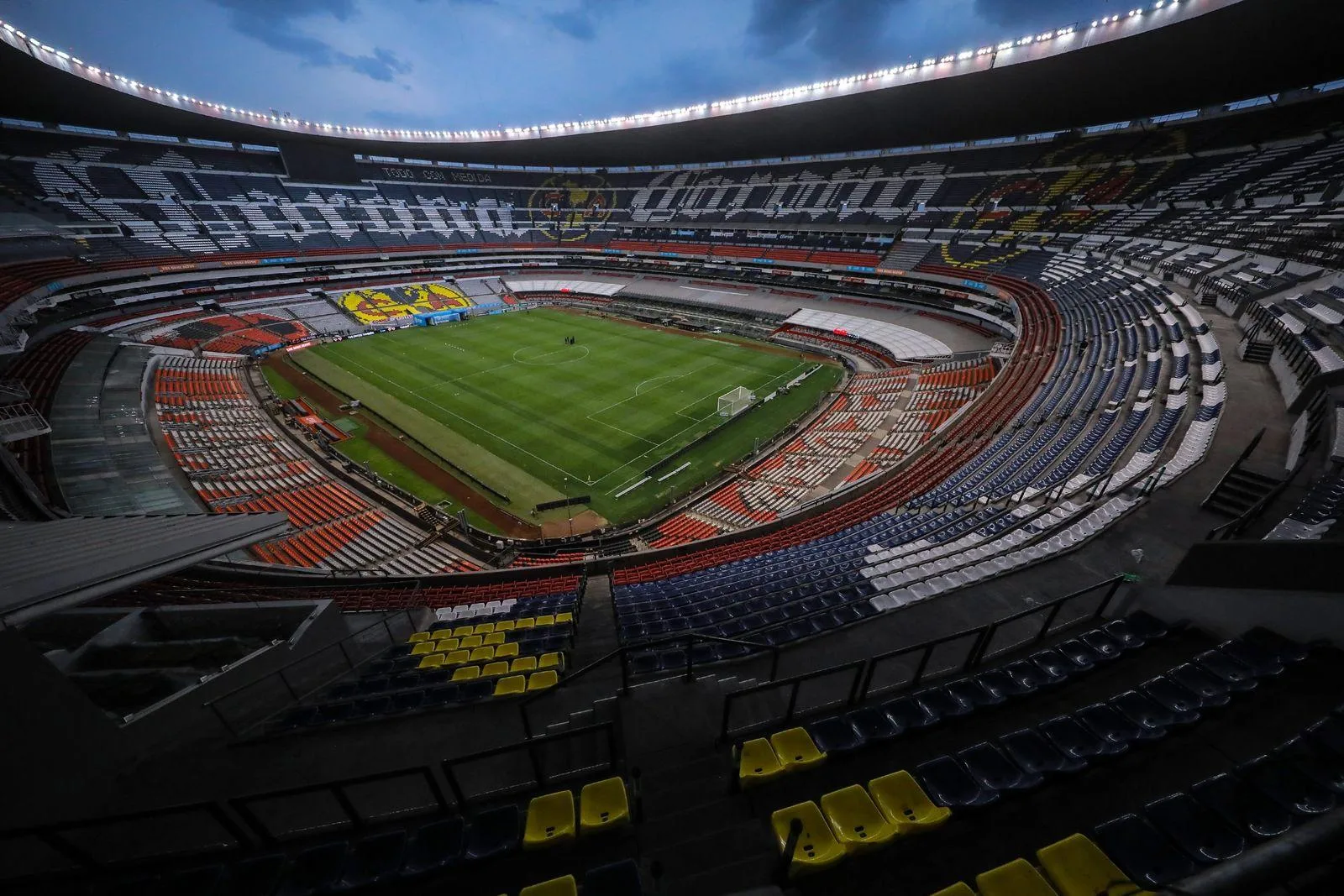
4. Estadio Azteca
Why it stands out
The most historic stadium in the tournament.
It becomes the first stadium in history to host matches in three FIFA World Cups.
Renovation investment
Estimated renovation spending reached approximately US$100 million.
Upgrades
- New locker rooms
- Hybrid grass surface
- New LED displays
- Improved structural safety systems
- Modern hospitality areas
Public transport
Among the best-served stadiums in the tournament:
- Mexico City Metro
- Metrobus connections
- Extensive bus network
This significantly reduces dependence on cars.
5. MetLife Stadium

Why it stands out
Host of the 2026 World Cup Final. Capacity exceeds 82,000 spectators.
FIFA upgrades
- Locker room modernization
- Broadcast infrastructure improvements
- FIFA field-dimension modifications
- Technology and security enhancements
Public transport
Strong by North American standards:
- NJ Transit rail service
- Shuttle operations from Manhattan
- Large-scale event transport plans
Canadian Stadium Investments
BMO Field
Major expansion
Investment estimated between US$120–140 million.
Upgrades
- Capacity increase from roughly 30,000 to 45,000
- New stands
- Improved concourses
- Enhanced video systems
Public transport
Excellent:
- GO Transit rail
- Toronto streetcars
- Regional transit connections
BC Place
Key upgrades
- FIFA-compliant natural grass installation
- Technology modernization
- Fan-experience improvements
Public transport
Outstanding:
- SkyTrain rapid transit
- Downtown walkability
- Extensive regional transit access
Most Important Fan-Focused Innovations Across the Tournament
Many upgrades are less visible than new architecture but arguably more important.
Enhanced viewing
- Larger 4K video boards
- Improved sightlines
- Expanded premium hospitality
- Faster Wi-Fi and mobile connectivity
Safety and heat management
FIFA and host cities have introduced:
- Hydration stations
- Cooling tents
- Misting areas
- Expanded medical facilities
- Additional security screening technologies
Better playing surfaces
A major challenge has been converting NFL venues to FIFA standards:
- Wider pitches
- Natural grass installations
- Hybrid grass systems
- Expanded runoff safety zones around the field
Best Stadiums Ranked
| Rank | Stadium | Main Strength |
|---|---|---|
| 1 | SoFi Stadium | Technology and modern design |
| 2 | Mercedes-Benz Stadium | Best overall fan experience and transit |
| 3 | Estadio Azteca | Historic significance and modernization |
| 4 | MetLife Stadium | Hosts the Final |
| 5 | AT&T Stadium | Largest capacity and spectacle |
| 6 | BC Place | Excellent urban accessibility |
| 7 | BMO Field | Strong transit and major expansion |
Bottom Line
The most remarkable aspect of FIFA World Cup 2026 is not the construction of new stadiums—it is the decision to avoid building any new World Cup-specific venues at all. Instead, organizers invested hundreds of millions of dollars upgrading existing stadiums, improving transport links, installing FIFA-standard natural grass surfaces, enhancing player facilities, and creating better digital and in-stadium experiences for fans. The result is arguably a more financially sustainable model than many previous World Cups while still showcasing some of the most advanced sports venues in the world.