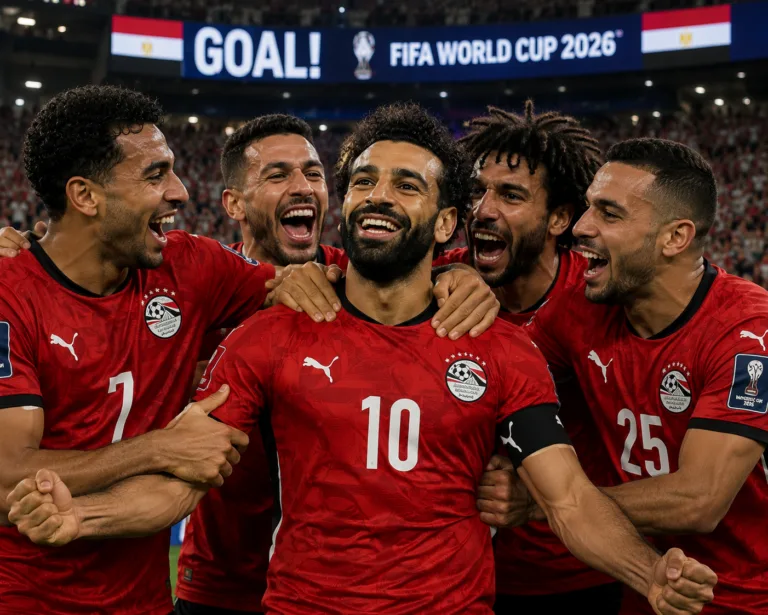
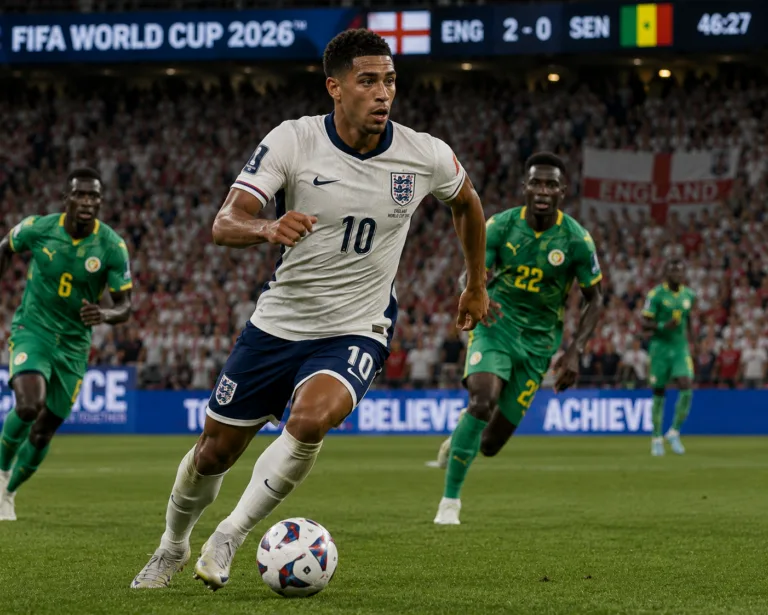
As the 2026 World Cup enters the Round of 16, the weather could become almost as important as tactics. The combination of North American summer heat, humidity, thunderstorms and high altitude means several knockout matches may be decided as much by which teams adapt best as by technical ability. Recent forecasts have already prompted discussions about kickoff times and player safety for some matches. (WPXI)

Mexico vs England (Mexico City) – Altitude and thunderstorms
This may be the weather story of the Round of 16.
The match is scheduled in Mexico City, over 2,200 metres above sea level. England face two major environmental challenges:
- thinner air reduces aerobic performance and sprint recovery
- afternoon and evening thunderstorms are possible during the local rainy season
Mexico are naturally more accustomed to playing and training at altitude, while England have had relatively little time to acclimatise. Scientists estimate that unacclimatised teams can experience noticeable reductions in high-intensity running and repeated sprint performance. (https://england-2026.com/)
There has also been discussion about moving the kickoff earlier because of storm risks, although FIFA has kept the original kickoff time while continuing to monitor conditions. (Norwalk Hour)
Advantage: Mexico
Paraguay vs France (Philadelphia) – Extreme heat
France could face one of the hottest matches of the tournament. (https://france-football-2026.com/)
Forecasts have suggested temperatures approaching 38°C (100°F) with oppressive humidity. Such conditions can quickly drain energy levels and make pressing football much harder to sustain. (Reuters)
For France this could mean:
- more measured possession
- careful squad rotation
- increased use of substitutes
- avoiding constant high pressing
Paraguay’s disciplined defensive style may become even more effective if the pace of the match slows.
Weather impact: High
Canada vs Morocco
If temperatures remain warm, this becomes a fascinating contest.
Morocco’s squad contains many players accustomed to warmer climates, while Canada traditionally thrive on energy and pressing.
Hot conditions could:
- reduce Canada’s pressing intensity
- favour Morocco’s patient passing game
- increase the importance of hydration breaks
The longer the match remains close, the more valuable Morocco’s experience of managing slower-tempo football may become.
Brazil vs Norway
Brazil are generally comfortable playing in heat and humidity. (https://brazil-2026.com/)
Norway possess tremendous athleticism, but repeated high-intensity running becomes harder in hotter conditions.
If temperatures climb:
- Brazil may dominate possession
- Norway may defend deeper
- technical quality becomes increasingly valuable
Weather advantage: Brazil
Portugal vs Spain
This match is unlikely to be decided primarily by weather.
Both nations regularly experience hot summer football and have technically gifted squads that naturally conserve possession. (https://spain-2026.com/
Instead of affecting one side more than the other, heat may simply encourage:
- slower tempo
- longer passing sequences
- fewer all-out pressing phases
USA vs Belgium
Depending on the host city, humidity could become an important factor.
The USA are familiar with North American summer conditions, while Belgium’s technically gifted midfield is also capable of slowing the game when required.
The biggest factor may be fatigue during the final 20 minutes, making substitutions particularly influential.
Argentina vs Egypt
Egypt are no strangers to high temperatures.
Argentina also possess plenty of players experienced in hot South American conditions. (https://argentina-2026.com/)
Rather than creating a physical imbalance, warm weather may produce:
- tactical patience
- lower tempo
- increased importance of moments of individual brilliance
Switzerland vs Colombia
Humidity could become the key issue.
Colombia’s players generally have extensive experience across varying climates and elevations in South America.
Switzerland’s structured defensive organisation should remain effective, but humid conditions may reduce the intensity of their pressing game.
Tournament-wide weather trends
Several themes are becoming increasingly important as the knockout rounds progress:
- Hydration breaks are now a routine feature of every match to help players recover during extreme heat. (Wikipedia)
- Thunderstorms can temporarily suspend matches when lightning is detected near stadiums, potentially interrupting momentum and tactics. (The Guardian)
- Altitude remains unique to Mexico City and Guadalajara, giving teams accustomed to those environments a measurable advantage. (The Guardian)
- Squad depth becomes increasingly valuable, with managers likely to use substitutes earlier than usual.
- Game management may prove more important than relentless attacking football, particularly in temperatures above 35°C.
Which Round of 16 teams benefit most from the conditions?
| Team | Weather advantage |
|---|---|
| Mexico | ★★★★★ Altitude and home climate familiarity |
| Brazil | ★★★★☆ Comfortable in heat and humidity |
| Morocco | ★★★★☆ Well adapted to warm conditions |
| Colombia | ★★★★☆ Experience across hot and humid climates |
| Egypt | ★★★☆☆ Comfortable in hot weather |
Conversely, teams such as England, Norway and, depending on venue conditions, Canada could face greater physical adaptation challenges if temperatures remain high or if altitude comes into play.
The knockout stage often turns on fine margins. In 2026, extreme weather may provide those margins—determining which teams have enough energy to press late in matches, cope with extra time, or hold their nerve in penalty shootouts.