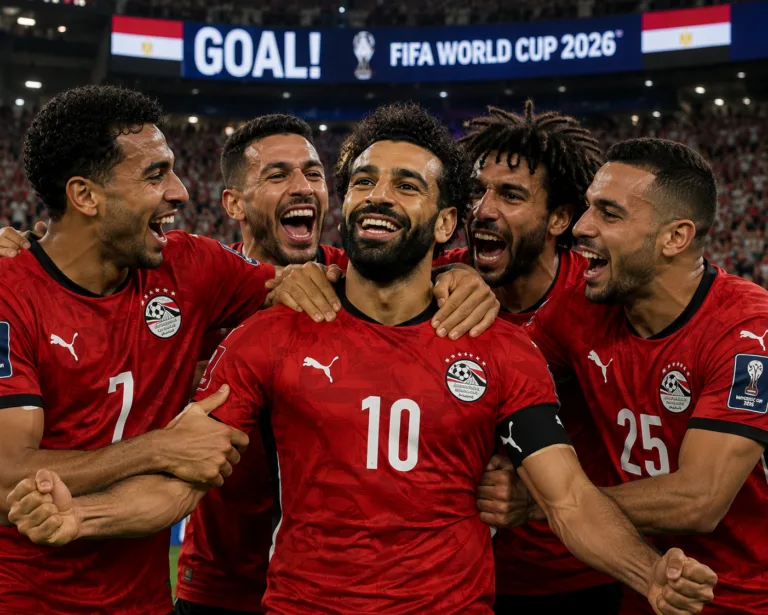
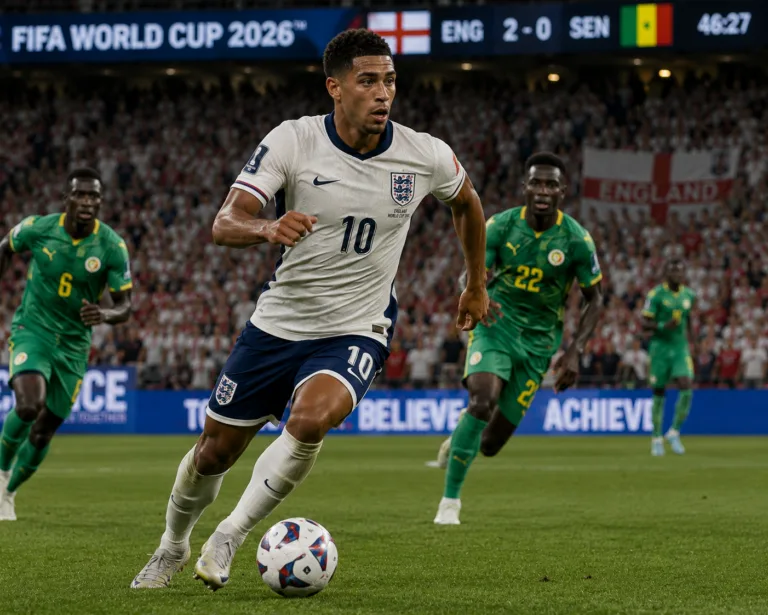
The countdown to the biggest football tournament in history is officially underway. The FIFA World Cup 2026 is set to redefine the global sporting landscape with an expanded format, more teams, more matches, and an unprecedented three-country hosting arrangement. Taking place across Canada, Mexico, and the United States, the tournament promises to deliver unforgettable moments, fierce competition, and a celebration of football on a scale never seen before.
According to FIFA, the 2026 edition will feature 48 national teams competing in 104 matches across 16 host cities, making it the largest FIFA World Cup ever organized. The competition begins on June 11, 2026, and concludes with the Final on July 19, 2026.
The Biggest FIFA World Cup Ever
For decades, the FIFA World Cup featured 32 participating nations. In 2026, FIFA introduces a historic expansion to 48 teams, creating new opportunities for emerging football nations while increasing the tournament’s global reach.
The expanded format means more matches, more rivalries, and greater representation from every continent. Football fans will witness nations making their World Cup debuts alongside traditional powerhouses such as Brazil, Germany, Argentina, France, Spain, and England.
With 104 total matches scheduled over nearly six weeks, supporters can expect continuous football action from the opening match to the championship showdown. This expanded structure is designed to increase competitiveness and provide more countries with the opportunity to showcase their talent on the world’s biggest sporting stage.
FIFA World Cup 2026 Host Countries
One of the most remarkable aspects of the 2026 tournament is its tri-national hosting model. For the first time in World Cup history, three countries will jointly host the competition.
The host nations include:
| Country | Host Cities |
|---|---|
| United States | 11 Cities |
| Mexico | 3 Cities |
| Canada | 2 Cities |
This collaborative approach reflects the growing international nature of football and allows millions of fans across North America to experience the tournament firsthand.
Mexico will make history by becoming the first nation to host World Cup matches in three different editions, while Canada welcomes the tournament for the first time. The United States returns as a host after successfully staging the 1994 FIFA World Cup.
Host Cities and Stadiums
The tournament will be played across 16 world-class venues carefully selected by FIFA.
| United States | Canada | Mexico |
| Atlanta, Boston, Dallas, Monterrey, Houston, Kansas City, Los Angeles, Miami, New York/New Jersey, Philadelphia, San Francisco Bay Area, Seattle | Toronto, Vancouver | Mexico City, Guadalajara, Monterrey |
Each venue offers unique architectural features, modern facilities, and the capacity to accommodate tens of thousands of passionate supporters. Notable venues include the historic Estadio Azteca in Mexico City and the New York/New Jersey Stadium, which is scheduled to host the FIFA World Cup Final.
Opening Matches of the Tournament
The FIFA World Cup 2026 will begin on 11 June 2026, with host nation Mexico opening the tournament against South Africa in Group A. The same day also features another Group A encounter between Korea Republic and Czechia, immediately setting the tone for what promises to be the most competitive World Cup in history.
The following day, attention shifts to Group B and Group D as Canada faces Bosnia and Herzegovina, while the United States takes on Paraguay. These opening fixtures are particularly significant because all three host nations—Mexico, Canada, and the United States—play within the first two days of the competition, creating enormous excitement across North America.
Unlike previous editions, the 2026 World Cup schedule has been designed to maximize fan engagement by distributing matches across multiple regions. This allows supporters from different countries to experience the tournament atmosphere while minimizing travel challenges for participating teams.
Complete Group Stage Overview
One of the most exciting aspects of the FIFA World Cup 2026 is the diversity of the 12 groups. The tournament features traditional football powerhouses alongside emerging nations making their mark on the global stage.
| Group | Teams |
|---|---|
| Group A | Mexico, South Africa, Korea Republic, Czechia |
| Group B | Canada, Bosnia & Herzegovina, Qatar, Switzerland |
| Group C | Brazil, Morocco, Haiti, Scotland |
| Group D | USA, Paraguay, Australia, Türkiye |
| Group E | Germany, Curaçao, Côte d’Ivoire, Ecuador |
| Group F | Netherlands, Japan, Sweden, Tunisia |
| Group G | Belgium, Egypt, IR Iran, New Zealand |
| Group H | Spain, Cabo Verde, Saudi Arabia, Uruguay |
| Group I | France, Senegal, Iraq, Norway |
| Group J | Argentina, Algeria, Austria, Jordan |
| Group K | Portugal, DR Congo, Uzbekistan, Colombia |
| Group L | England, Croatia, Ghana, Panama |
This group composition ensures a fascinating blend of football cultures and playing styles. Fans can expect intense rivalries, tactical battles, and potential upsets throughout the group stage.

Host Cities and Tournament Regions
To efficiently manage the expanded 104-match schedule, FIFA has divided the tournament into three primary geographic regions.
| Region | Cities / Areas |
|---|---|
| Western Region | Vancouver, Seattle, San Francisco Bay Area, Los Angeles |
| Central Region | Guadalajara, Mexico City, Monterrey, Houston, Dallas, Kansas City |
| Eastern Region | Atlanta, Toronto, Boston, Philadelphia, Miami, New York/New Jersey |
This regional structure helps reduce travel distances during the group stage and creates a more sustainable tournament experience for players, officials, media personnel, and supporters.
New Tournament Format Explained
One of the most discussed aspects of the 2026 FIFA World Cup is the new competition structure.
The tournament now features:
- 48 participating teams
- 12 groups
- 104 total matches
- A Round of 32 knockout stage
- Round of 16
- Quarter-finals
- Semi-finals
- Third-place match
- Final
The addition of a Round of 32 creates more knockout matches and extends the excitement of the tournament. Teams that successfully navigate the group stage will face increasingly difficult challenges as they progress toward the championship.
This structure ensures that more nations remain competitive for longer periods, generating greater excitement for supporters around the world.
Key Knockout Stage Dates
After the conclusion of the group stage on 27 June 2026, the tournament enters its first-ever Round of 32. This additional knockout round is one of the most significant changes introduced in the expanded 48-team format.
The knockout phase follows this sequence:
| Stage | Dates |
|---|---|
| Round of 32 | 28 June – 3 July |
| Round of 16 | 4 July – 7 July |
| Quarter-finals | 9 – 11 July |
| Semi-finals | 14 – 15 July |
| Bronze Final | 18 July |
| Final | 19 July |
The introduction of the Round of 32 means teams must now win five knockout matches instead of four to become world champions, making the path to the trophy even more demanding.
Teams to Watch
The 2026 FIFA World Cup brings together an extraordinary mix of football giants and rising contenders.
Traditional favorites include: Brazil, Germany, Spain, Netherlands, Belgium, Uruguay, Mexico, United States, Canada
At the same time, nations such as Curaçao and Cabo Verde have captured international attention through remarkable qualification campaigns and could emerge as surprise performers during the tournament. Recent reports highlight the historic qualification achievements of both nations heading into the competition.
The expanded format increases the possibility of upsets and Cinderella stories, which are often among the most memorable moments in World Cup history.
Economic and Global Impact
The FIFA World Cup is more than a sporting event; it is a global economic phenomenon.
Millions of international visitors are expected to travel throughout North America during the tournament. Hotels, airlines, restaurants, transportation providers, and local businesses stand to benefit significantly from the influx of tourists.
The tournament will also generate billions of television and streaming views worldwide. Advances in digital broadcasting, social media engagement, and interactive fan experiences are expected to make the 2026 World Cup the most viewed football event ever.
The combination of 48 teams, 104 matches, and three host nations creates a unique opportunity for FIFA to expand the game’s reach and inspire the next generation of football players and supporters.
The FIFA World Cup 2026 is more than just another edition of football’s premier tournament. It represents a historic transformation of the competition through its 48-team format, 104-match schedule, and unprecedented collaboration between Canada, Mexico, and the United States.
From Mexico’s opening match against South Africa on 11 June to the Final on 19 July, football fans will enjoy nearly six weeks of continuous action across 16 host cities. The expanded tournament not only provides greater opportunities for emerging football nations but also creates a richer experience for supporters around the globe.
With world-class stadiums, elite national teams, and a schedule designed to maximize excitement from the group stage through the knockout rounds, the FIFA World Cup 2026 has all the ingredients to become the most memorable World Cup ever staged.