Defensive teams at the 2026 World Cup – are they more likely to progress further in the competition and have a better chance to win the tournament ?
The short answer
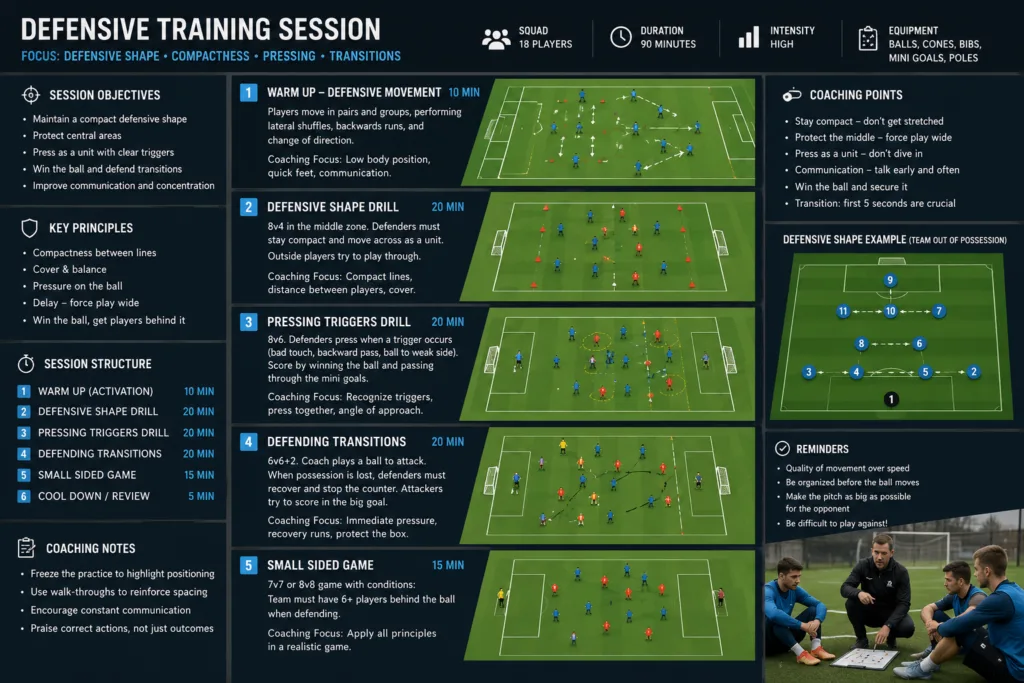
The strongest defensive qualifiers for the 2026 World Cup are not simply the teams that sit deepest; they are the teams that control space, suppress quality chances, and defend transitions while still carrying enough attacking threat to win knockout matches. Historically, purely defensive teams rarely win the World Cup. Champions are usually balanced teams with elite defenses and sufficient attacking production. The debate is often framed as defense versus attack, but the data from recent tournaments points more toward defense as the foundation, attack as the differentiator.
Which qualified teams look strongest defensively?
As of early June 2026, qualification is ongoing in some confederations, so “qualified teams” refers to teams already confirmed or effectively secured through completed qualification paths and the expanded 48-team structure. The assessment is tactical rather than a strict ranking by goals conceded.
Morocco — perhaps the clearest modern defensive tournament model
Morocco national football team reached the semifinals of the 2022 World Cup while conceding only one goal in open play across the tournament. The defining traits were:
- Compact 4-1-4-1 / 4-3-3 defensive shape.
- Excellent wing-back/full-back recovery runs.
- Protection of central zones and forcing opponents wide.
- Explosive transition attacks rather than sustained possession.
Morocco is the strongest recent example of a team progressing deep through defensive organization and transition efficiency rather than overwhelming attacking volume.
Argentina — elite tournament defense plus enough creativity to win
Argentina national football team won the 2022 World Cup with a defense that became more stable as the tournament progressed. They were not the deepest team, but they were excellent at:
- Mid-block organization.
- Counter-pressing immediately after losing the ball.
- Game-state management once ahead.
- Allowing their creators to attack from a secure platform.
Argentina illustrates the historical norm: a champion with a top-tier defense and decisive attacking talent.
Uruguay — structurally conservative and difficult to break down
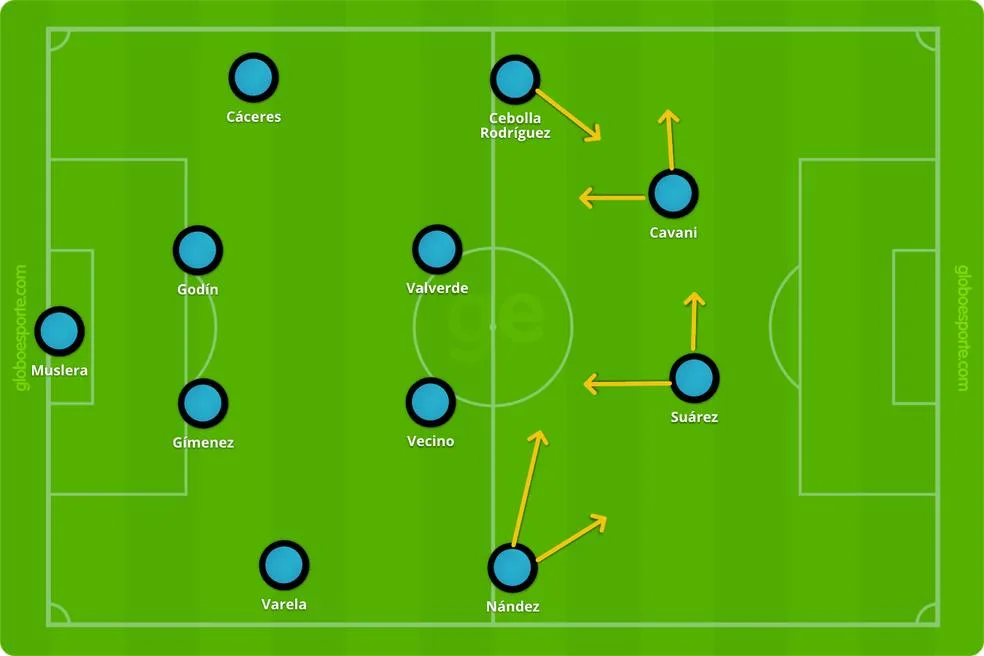
Uruguay national football team traditionally prioritizes defensive compactness, aerial strength, and transition play. Even when possession numbers vary, Uruguay tends to remain a high-floor knockout opponent because its defensive structure travels well between game states.
France — not “defensive” in style, but elite defensively when locked in
France national football team often plays a relatively pragmatic tournament game: selective pressing, strong defensive transitions, and devastating counterattacks. They are not a low-block specialist, but they are one of the hardest teams to punish in transition.
Bottom line
The best defensive 2026 qualifiers are generally Morocco, Argentina, Uruguay, and France, with Morocco the clearest example of a team whose tournament identity is built primarily around defensive structure and transition efficiency.
Do the most defensive teams progress furthest?
Not consistently. What progresses furthest is usually a combination of:
| Trait | Importance in knockouts |
|---|---|
| Preventing high-quality chances (xGA suppression) | Very high |
| Set-piece defense | Very high |
| Defending transitions after losing possession | Very high |
| Ability to score the first goal | High |
| Depth of attacking creation | High |
| Raw possession percentage | Moderate |
Knockout football amplifies the value of defense because one mistake can end a campaign. But teams that only defend face a structural problem: they must eventually score. Over many tournaments, the champion is rarely the team with the deepest block; it is more often the team that combines elite defensive prevention with enough attacking threat to punish opponents.
A useful distinction
| Type | Typical ceiling |
|---|---|
| Pure low-block reactive team | Upsets and occasional deep run |
| Balanced team with elite defense + credible attack | Most common World Cup champion profile |
| Elite attacking team with shaky defense | Entertaining, but vulnerable in late-stage knockouts |
World Cup winners often described as “defensive” — and the reality
4
| Champion | Defensive reputation | What actually won it |
|---|---|---|
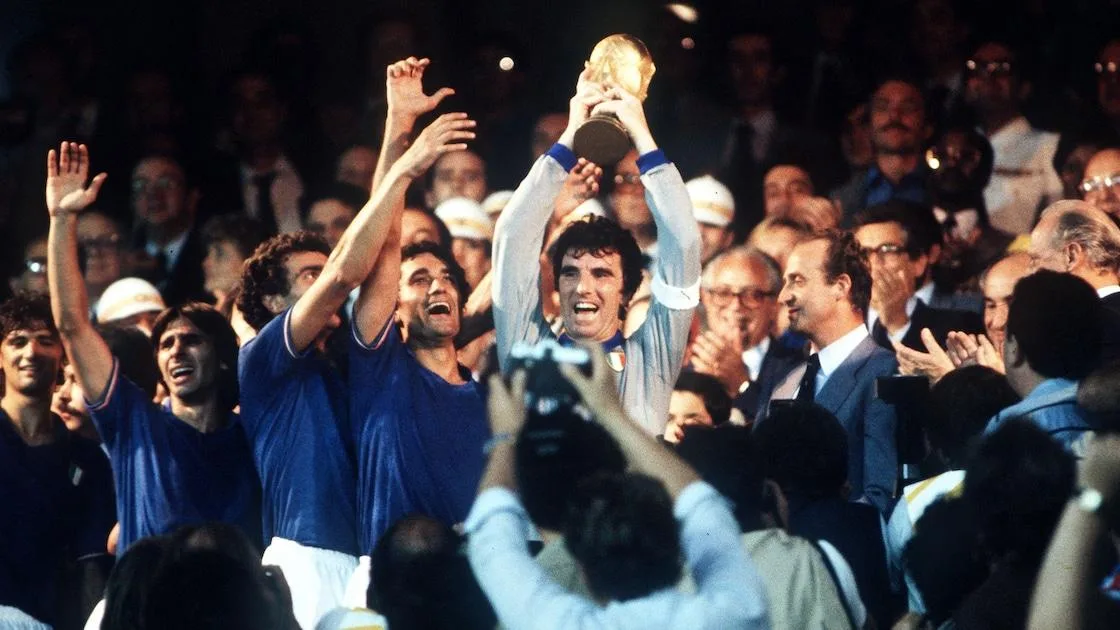
| Italy national football team | Strong defensive tradition | Outstanding tournament defending plus Paolo Rossi’s goals and tactical flexibility. |
| Italy national football team | Very strong defense | Conceded only two goals in the tournament (one own goal, one penalty) and managed games expertly. Often cited as the clearest modern defense-first champion. |
| Germany national football team | Not primarily defensive | Ball control, pressing, and defensive solidity together; not a low-block side. |
| Argentina national football team | Pragmatic rather than defensive | Excellent game management and defensive transitions combined with elite attacking moments. |
Important correction to a common myth
Italy 2006 is the strongest recent example of a defense-first World Cup champion. But even that team was not “attack-averse”; it had enough attacking quality, set-piece threat, and technical control to win tight matches. Purely defensive finalists and semifinalists appear more often than purely defensive champions.
What do fans actually enjoy: defensive quality or attacking displays?
4
There are really two audiences:
| Audience tendency | What they enjoy |
|---|---|
| General spectators | Goals, transitions, dribbles, high tempo, comeback narratives. |
| Tactically engaged fans/coaches | Compact spacing, pressing traps, cover shadows, rest-defense, game-state management. |
Evidence from broadcast audiences and fan discourse consistently shows that high-event matches with chances and goals attract broader enthusiasm, while elite defensive performances are often appreciated more by tactically engaged viewers. A 0-0 can be excellent football if both teams are solving each other’s structures; it is just a narrower taste than a 3-2 thriller.
A useful way to phrase it: fans rarely praise “defensive football” as an ideology; they praise defensive quality when it is visibly elite and meaningful—for example, a perfectly coordinated low block, repeated last-ditch recoveries, or a goalkeeper performance that keeps a knockout run alive.
My synthesis: what matters most in modern World Cups
- Elite defense is a prerequisite for winning. Since 1990, almost every champion has been among the tournament’s best defensive teams by goals conceded or chance suppression.
- Extreme defensiveness is not a prerequisite. Teams that defend very deep and create little can reach quarterfinals or semifinals, but they rarely win the tournament.
- The winning profile is balance. Argentina 2022, France 2018, Germany 2014, Spain 2010, and Italy 2006 all paired strong defensive structures with enough attacking quality to decide tight games.
- Morocco 2022 is the strongest recent counterexample to the “attack wins” narrative. They showed that a compact, transition-oriented defense can carry a team to the last four.
- Fans generally prefer attacking spectacle, but tournaments reward defensive reliability. The tension between those two truths is one reason World Cups are so fascinating.
Bottom line
If you are evaluating 2026 contenders, the question is not “Who is the most defensive?” It is “Which teams can consistently prevent high-quality chances, survive transitions, and still generate enough offense to win one-goal knockout games?” On that criterion, teams like Argentina, France, Uruguay, and Morocco are more compelling than teams that are merely conservative in possession or sit deepest by default.